
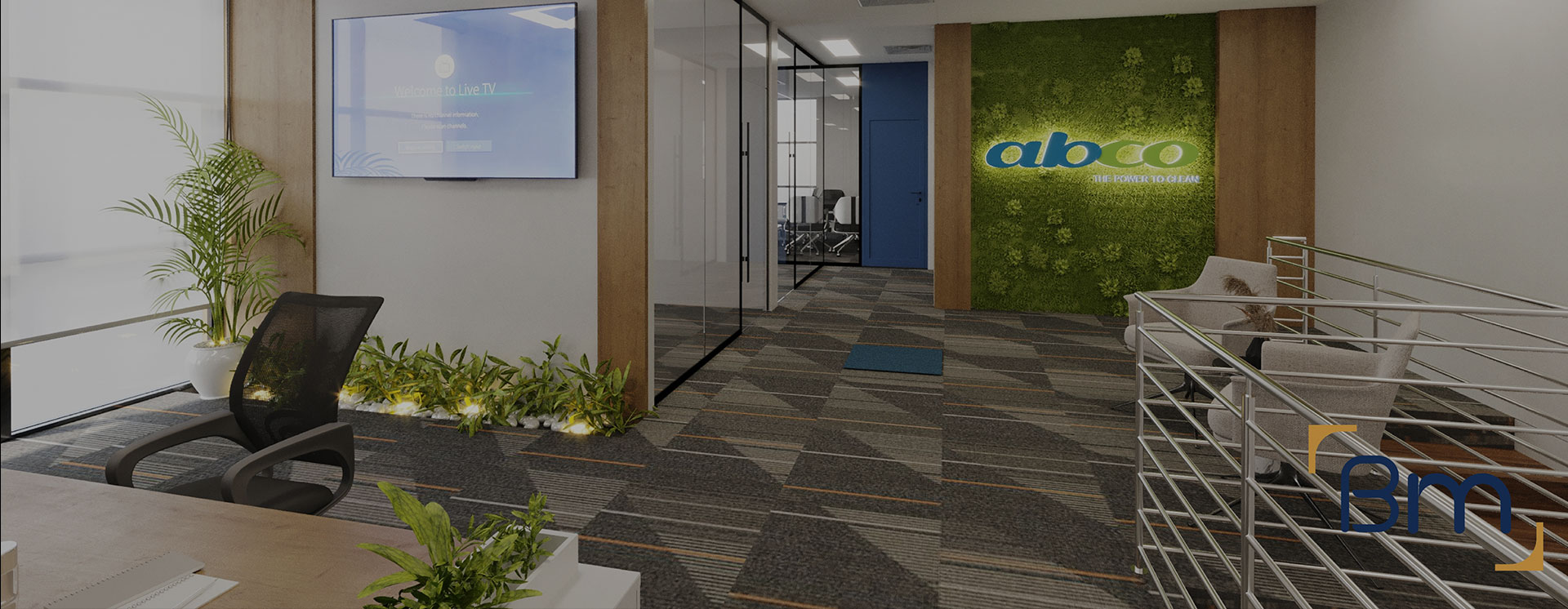
Building Contractor for Commercial Tenancy Works in Melbourne




Tenancy Builds and Refurbishments for Melbourne Businesses
For a small or mid-sized business, a building contractor for commercial tenancy works needs to be practical, responsive and careful around people who are still at work. In Melbourne, many of our projects involve refurbishing part of a floor, extending into the tenancy next door or upgrading a clinic while staff and customers continue to use the building.
BuildMarque specialises in that kind of work. We take on tenancy builds and refurbishments for clinics, offices and shops, and we plan each one around the people who occupy the building. Careful staging, clean work zones and clear communication mean your business keeps running while your space is improved, and neighbouring tenants barely notice we are there.
In short: BuildMarque, a Melbourne design-and-construct company, carries out commercial tenancy builds and refurbishments for small and mid-sized businesses around Melbourne. Costs depend on floor area, the number of stages, services work, after-hours requirements and finishes. We offer a free on-site consultation and then a fixed-scope quote, responding promptly to every request.
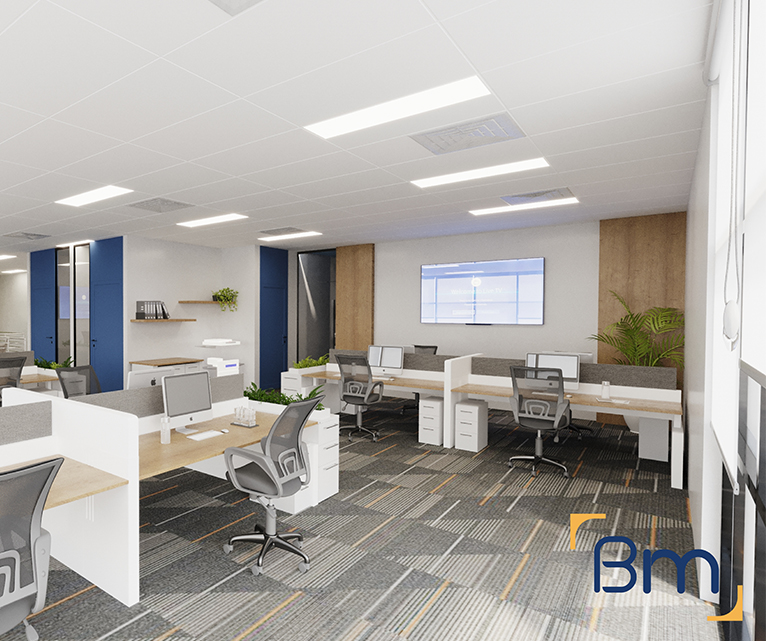
Tenancy Builds for Small and Mid-Sized Businesses in Melbourne
Small and mid-sized businesses in Melbourne rarely have the luxury of closing for weeks while their premises are rebuilt. A physiotherapy practice, accounting firm or boutique retailer still needs to serve clients, and the landlord still has other tenants to keep happy. Tenancy works for these businesses must be well organised, quick to mobilise and sized to a realistic budget, without cutting corners on compliance or safety.
We start with a site inspection to understand how your business uses the space and what the building allows. Then we propose a scope that matches your priorities, whether that is a full refurbishment or a targeted upgrade of a few rooms. Our in-house architects and project managers plan staged works so that each area is completed and handed back before the next begins, keeping disruption short and predictable for your team and your customers. Learn more about our commercial fitout services.
What Your Melbourne Tenancy Works Can Include
Tenancy works can be large or modest, and we tailor each package. Typical items include:
- Site inspection and feasibility. We check services, structure, compliance and planning controls before design starts, so the budget is realistic from day one.
- Design, layout and documentation. Our in-house architects plan layouts, finishes and joinery around your workflow, then prepare the drawings needed for approvals and construction.
- Permits and approvals. We prepare and manage planning and building permit applications, including signage and facade approvals where they apply.

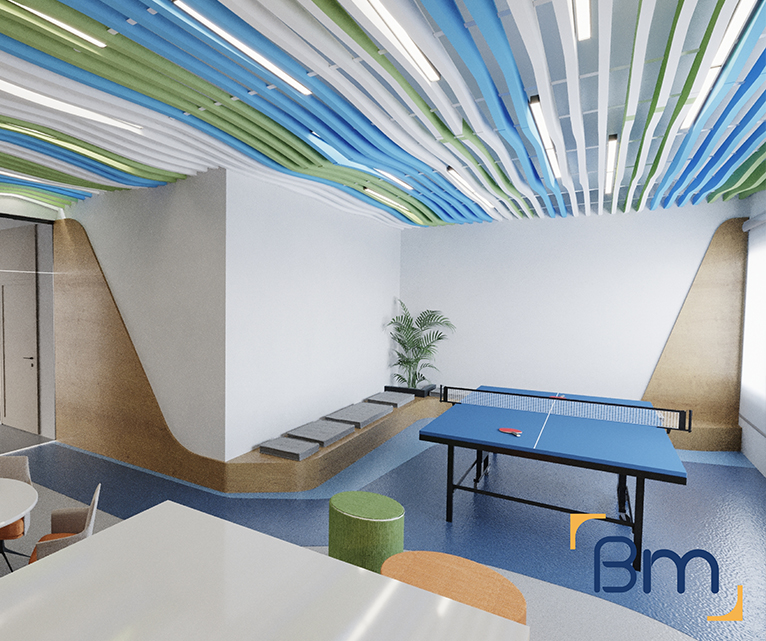
Spaces Designed to Perform
- Services upgrades. Electrical, data, lighting, heating and cooling, and plumbing are upgraded to suit your equipment, including clinical sinks and medical gases.
- Joinery, finishes and branding. Custom reception counters, storage, signage and finishes give your space a durable, consistent look that reflects your brand.
- Construction, certification and handover. We build to program, coordinate every trade, obtain final certification and complete a defects inspection before handing over the keys.
Compliance, Safety, and Build Quality
Commercial interiors must meet a range of regulatory requirements, including building codes, accessibility standards, fire safety, and workplace health and safety obligations.
BuildMarque manages compliance as an integral part of the project, not an afterthought. Detailed coordination ensures all works align with statutory requirements while maintaining a high standard of build quality throughout the space.
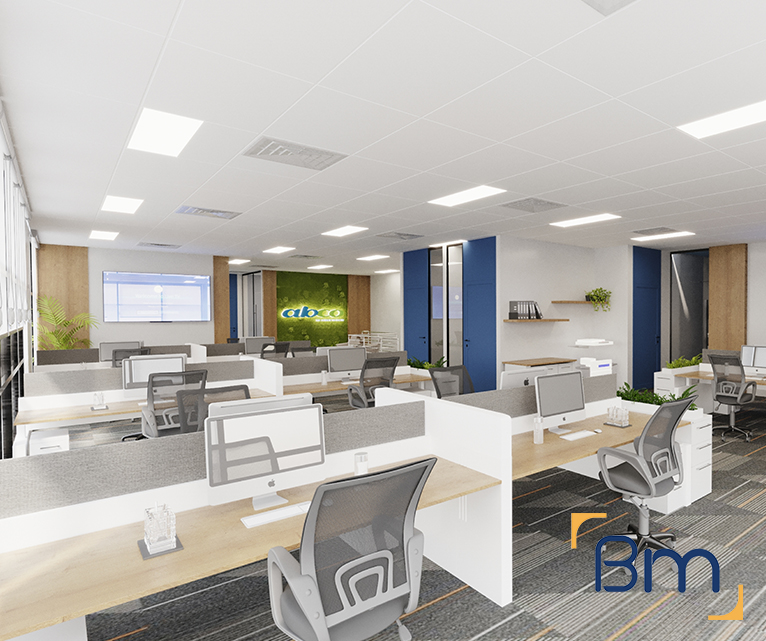

Staging Works in Occupied Buildings
Building inside an occupied tenancy takes careful planning. These are the methods we rely on to keep your business running. Each is agreed with you and the building manager before work starts, so everyone knows which areas are affected on any given day:
- Sectional staging. We divide the tenancy into zones and complete them one at a time, so staff can move between areas as each section is finished and handed back. Temporary rooms can be set up if needed.
- Temporary partitions and protection. Dust-sealed hoarding, floor protection and negative air where needed keep work areas separate from occupied rooms and protect equipment, files and stock.
- After-hours shifts. Noisy demolition, core drilling and services shutdowns are scheduled outside business hours, with the site cleaned and made safe before staff return each morning.
- Maintaining compliance. Exits, fire services and accessible paths stay operational throughout, and we update evacuation arrangements with building management whenever layouts change temporarily.
How We Handle Tenancy Refurbishments in Melbourne
Tenancy refurbishments succeed when everyone knows what is happening and when. We agree a staging plan with you and the building manager, share a weekly look-ahead and adjust around your trading peaks. The project then follows four clear steps:
- 1. Inspect. We visit the site to check services, structure, compliance, planning controls and access.
- 2. Explain. We walk you through the options, constraints and likely costs in plain language.
- 3. Scope. You receive a fixed scope, budget and program before any work starts.
- 4. Complete. We build, certify and hand over the space, then return for a final defects inspection.

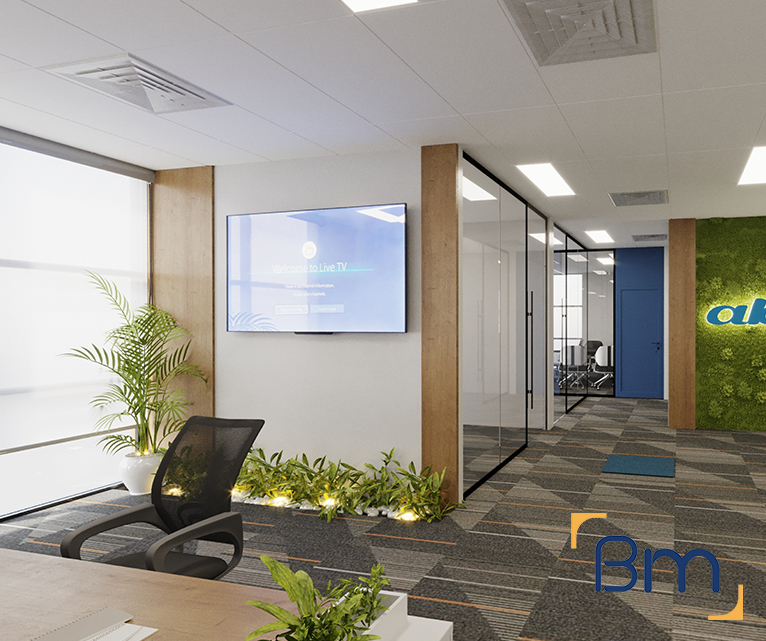
Keeping Neighbouring Tenants and Customers Onside
Construction in a shared building affects more than just your business. We work hard to keep neighbours, customers and building managers on side throughout the project. Good relationships with the people around you make everything easier, and they protect your standing in the building long after we leave:
- Advance notice. We let neighbouring tenants know about noisy works, shutdowns and large deliveries ahead of time, either through building management or by speaking with them directly. Notices include dates, times and a contact number.
- Noise and vibration control. Drilling, cutting and demolition are confined to agreed hours, and we choose quieter methods wherever possible while surrounding businesses are trading.
- Clean common areas. Lifts, corridors and car parks are protected and cleaned daily, so shared spaces are never left untidy by our trades.
- Respect for customers. For shopfronts, we keep entries safe and presentable, with clear signage explaining that the business is open as usual during works.
How Much Do Commercial Tenancy Works Cost in Melbourne?
Commercial tenancy works in Melbourne are priced on scope and on how the work must be delivered around you. The key cost drivers are:
- Area and number of rooms: more partitions, doors and ceilings add materials and labour.
- Staging: working in several sections adds set-up and protection costs.
- After-hours work: night and weekend shifts carry higher labour rates.
- Services changes: relocating power, data, plumbing or air conditioning adds trades.
Book a free on-site consultation for a fixed-scope quote, or call 1300 601 871.
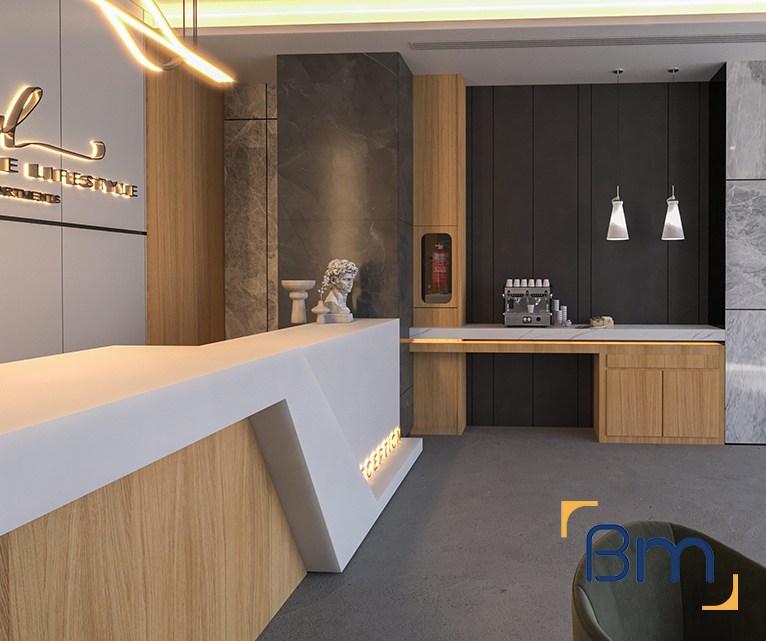
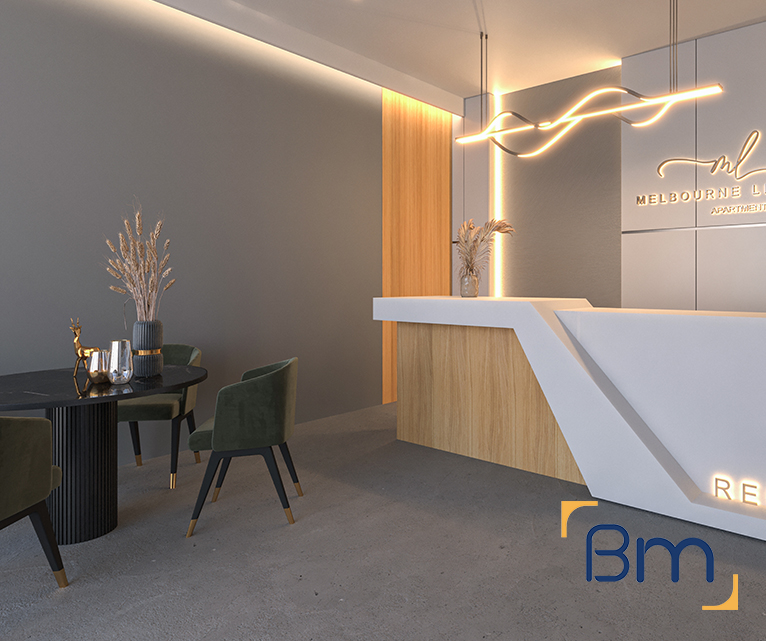
Tenancy Projects Across Melbourne’s Shopping Strips and Office Precincts
We deliver tenancy works along Melbourne’s shopping strips, such as Chapel Street, Sydney Road and Glenferrie Road, and in office precincts across the CBD, Southbank and Box Hill. Our completed work includes Thornbury Dental and Bundoora Medical Centre. With our office at L19, 180 Lonsdale Street, our project managers can reach most metropolitan tenancies quickly for meetings and inspections.
Related services for tenants include:
Frequently Asked Questions About Commercial Tenancy Works in Melbourne
Do you work as a commercial building contractor in Melbourne for smaller tenancy works?
Yes. As a commercial building contractor in Melbourne, we regularly take on small and mid-sized tenancy works, from a single consulting room upgrade to a full floor refurbishment. The same project management, safety and documentation apply whatever the size, so a smaller job gets the same care as a large one.
Can my business keep operating while you refurbish?
Usually, yes. We split the work into stages, so part of your tenancy stays open while another part is rebuilt. Temporary walls, dust control and clear signage keep staff and customers safe. Many Melbourne clinics we have worked with kept seeing patients throughout their refurbishment.
How do you plan staged works?
We map which rooms you can do without and for how long, then build a sequence that keeps essential areas working. Services shutdowns, noisy tasks and moves between stages are scheduled for quiet periods or after hours. You approve the staging plan before anything starts.
How do you keep neighbouring tenants onside?
We notify neighbours and the building manager before work begins, protect common areas, keep corridors clear and limit noisy work to agreed hours. Good relations matter in shared Melbourne buildings, where complaints can halt work or strain your relationship with the landlord.
What kinds of tenancy works do you handle?
Typical projects include new partitions and rooms, ceiling and lighting upgrades, accessible toilets, kitchenettes, reception areas, flooring and joinery. For clinics we also add handbasins and treatment rooms. See examples of tenancy works around Melbourne on our projects page.
Do small tenancy works still need a building permit?
It depends on the scope. Like-for-like finishes often do not, but new walls, changes to exits, plumbing or fire services usually do. We confirm the requirements with a building surveyor early, so approvals match the work planned for your Melbourne tenancy.
Can refurbishment works happen at night or on weekends?
Yes, where the building rules and budget allow. Night and weekend work keeps disruption low in shared buildings and retail centres. We agree the hours with the building manager and with you, so the programme fits around your trading pattern.
How can I get a price for my tenancy refurbishment?
Describe your space in the short enquiry form, or ring 1300 601 871 to talk it through. A free on-site consultation lets us work out how to stage the refurbishment around your trading hours before we send a clear, itemised price.


