
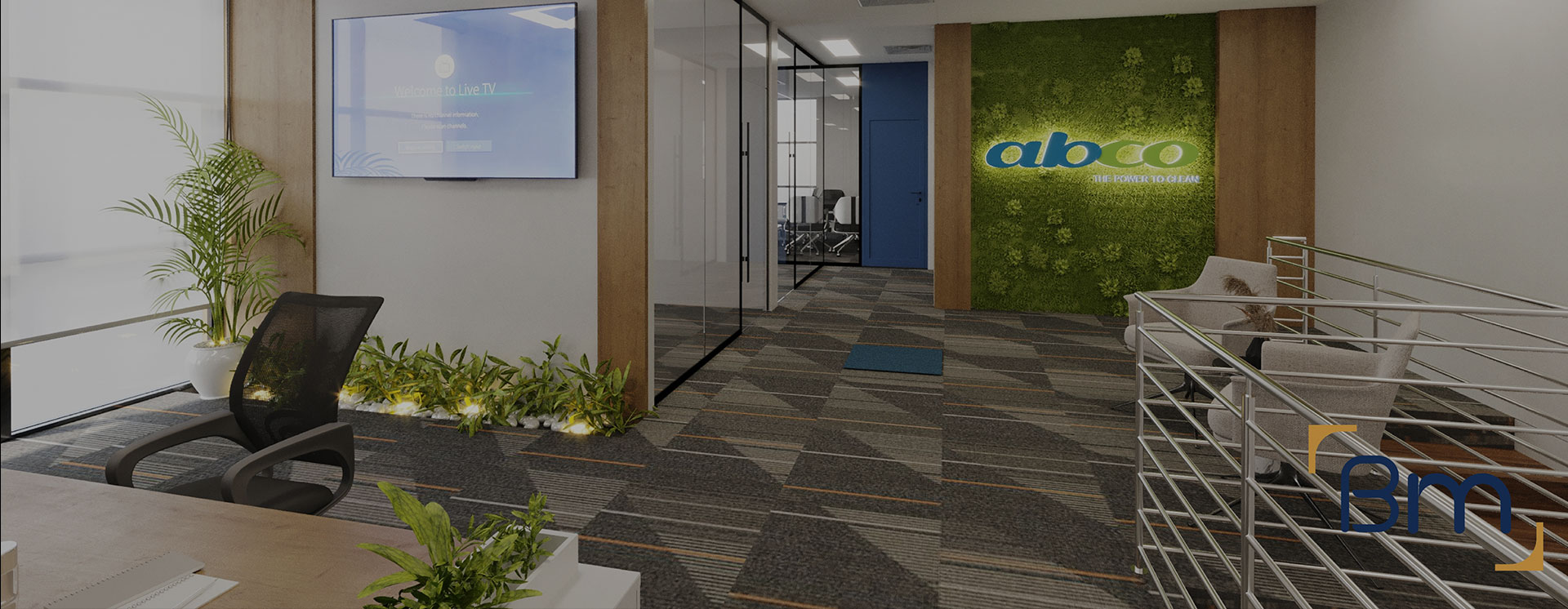
Building Contractor for Commercial Projects Across Victoria




Choosing a Commercial Building Contractor in Victoria
Hiring a building contractor for commercial projects is one of the biggest decisions a business makes before moving into a new tenancy. Across Victoria, the right head contractor keeps a fitout on track, while the wrong one can leave you with delays, variations and unfinished compliance paperwork.
BuildMarque acts as head contractor for tenancy works in clinics, offices and shops, and we encourage every client to check us properly before signing. This page explains what to verify, from registration and insurance to references and a believable program, and how we manage tenancy works from the first site meeting to the day your doors open to customers.
In short: BuildMarque, a Melbourne design-and-construct company, works as head contractor for commercial tenancy works across Victoria. Pricing reflects floor area, services, landlord requirements, building age and finishes. You receive a fixed-scope quote following a free on-site consultation, and we get back to each enquiry promptly.
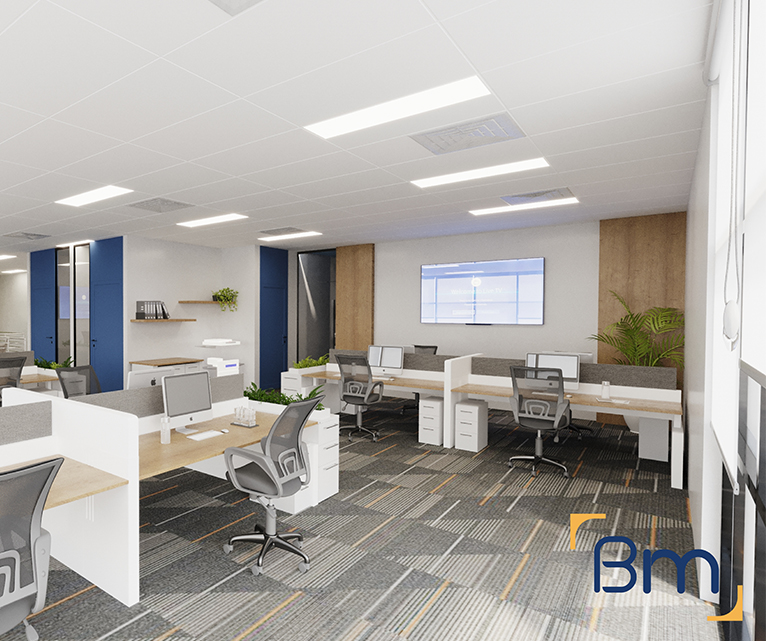
A Head Contractor for Tenancy Works Across Victoria
Most commercial tenants across Victoria only build out a space once every five or ten years, so few have a reliable way to compare contractors. Quotes can look similar on paper while hiding very different assumptions about exclusions, landlord works and timeframes. Tenancy works also come with their own rules, including lease conditions, landlord fitout guides, building manager approvals and after-hours restrictions that a domestic builder may never have dealt with. Picking on price alone often means discovering those gaps halfway through.
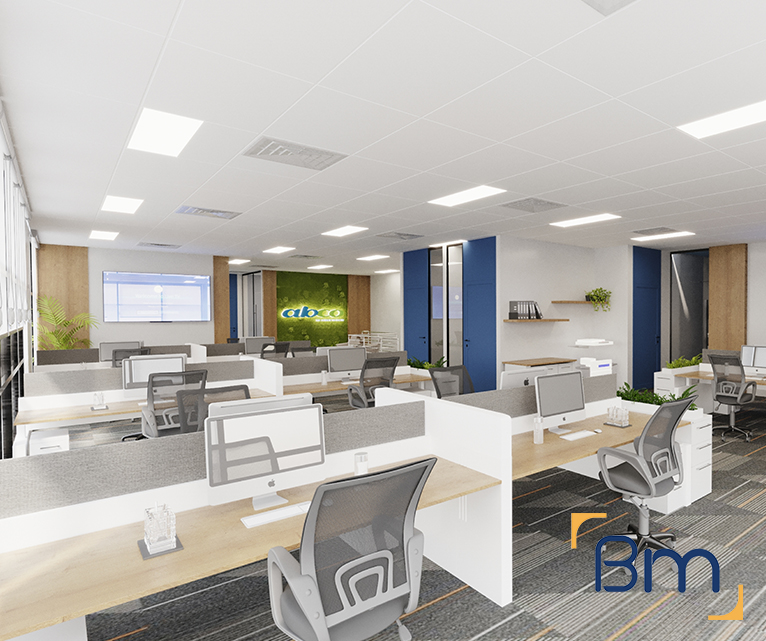
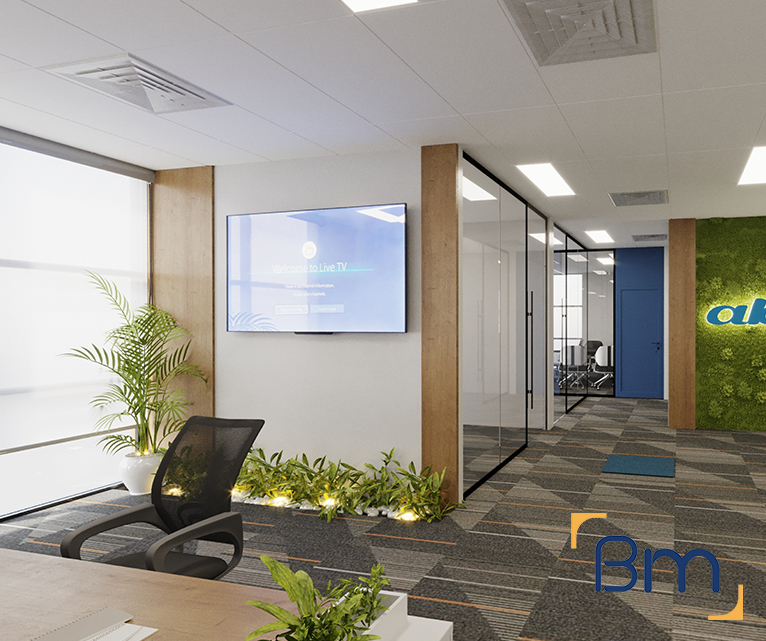
As head contractor, BuildMarque takes responsibility for the whole tenancy package. We inspect the space and review the lease obligations before quoting, then prepare a tailored scope that lists inclusions and exclusions in plain terms. Our in-house architects handle design and documentation, while our project managers coordinate trades, landlord approvals and the building surveyor. Where you need to keep part of the premises running, we program the works in stages. Learn more about our commercial fitout services.
What a Commercial Project Contract Should Cover
A clear contract should spell out exactly what the head contractor is delivering. Ours can cover:
- Site inspection and feasibility. We check services, structure, compliance and planning controls before design starts, so the budget is realistic from day one.
- Design, layout and documentation. Our in-house architects plan layouts, finishes and joinery around your workflow, then prepare the drawings needed for approvals and construction.
- Permits and approvals. We prepare and manage planning and building permit applications, including signage and facade approvals where they apply.

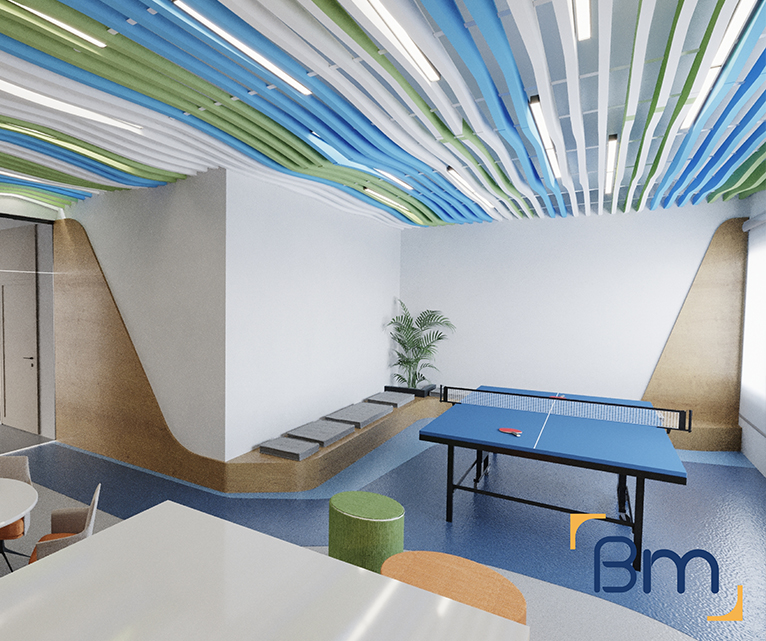
Spaces Designed to Perform
- Services upgrades. Electrical, data, lighting, heating and cooling, and plumbing are upgraded to suit your equipment, including clinical sinks and medical gases.
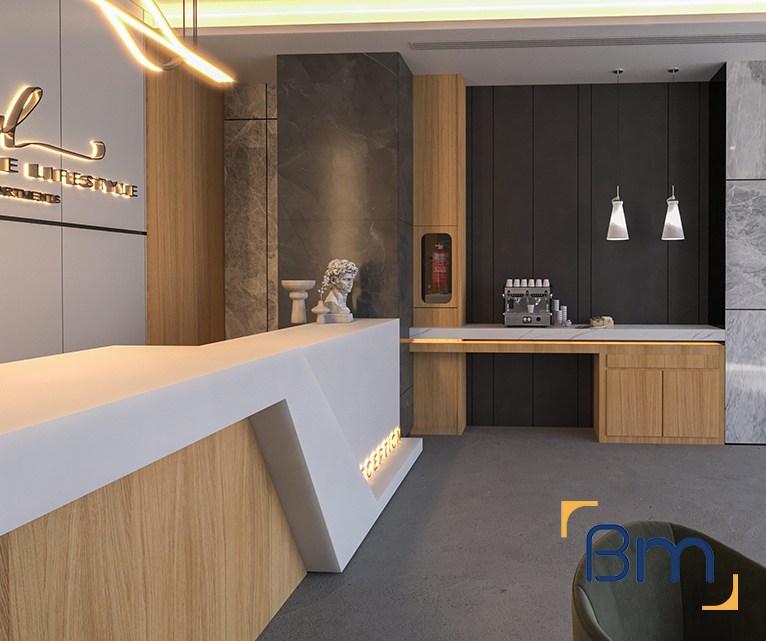
- Joinery, finishes and branding. Custom reception counters, storage, signage and finishes give your space a durable, consistent look that reflects your brand.
- Construction, certification and handover. We build to program, coordinate every trade, obtain final certification and complete a defects inspection before handing over the keys.
Compliance, Safety, and Build Quality
Commercial interiors must meet a range of regulatory requirements, including building codes, accessibility standards, fire safety, and workplace health and safety obligations.
BuildMarque manages compliance as an integral part of the project, not an afterthought. Detailed coordination ensures all works align with statutory requirements while maintaining a high standard of build quality throughout the space.
Registration, Insurance and References to Verify
Before you commit to any contractor, take a few minutes to confirm the basics. A reputable builder will never be offended when you ask these questions, and we are happy to provide all of the following on request:
- Builder registration. Ask for the registration number and look it up on the Building and Plumbing Commission public register to confirm it is current and covers the class of commercial work involved.
- Insurance certificates. A commercial contractor should hold public liability and contract works insurance, plus WorkCover for its employees. Request current certificates rather than accepting a verbal assurance.
- Comparable references. Look for completed projects similar in size and type to yours, and ask to speak with past clients. Our work includes Collins Place Medical Clinic, Mill Park Medical Clinic and Thornbury Dental.
- Safety systems. Request a sample safe work method statement and ask how the contractor handles site inductions, hazardous materials and subcontractor supervision on occupied sites.
Planning Your Commercial Project With a Head Contractor
Working with a head contractor should make your life simpler, not busier. We take care of landlord liaison, building manager bookings and trade coordination, and keep you updated at agreed intervals so decisions are made on time. Your tenancy project moves through four clear steps:
- 1. Inspect. We visit the site to check services, structure, compliance, planning controls and access.
- 2. Explain. We walk you through the options, constraints and likely costs in plain language.
- 3. Scope. You receive a fixed scope, budget and program before any work starts.
- 4. Complete. We build, certify and hand over the space, then return for a final defects inspection.

Why a Realistic Programme Matters Before You Sign
An optimistic timeline can win a tender and then cost a tenant dearly. These are the details we check before committing to dates, because each one can shift your opening by weeks if it is overlooked:
- Lease and rent-free periods. Your fitout window is usually tied to a rent-free period. We build the program backwards from your opening date so the lease, approvals and construction line up rather than overlap.
- Approval lead times. Landlord sign-off, building permits and any planning permits each take time. We include realistic allowances for every one of them instead of assuming instant approvals.
- Long-lead items. Custom joinery, glazed partitions, doors and switchboards can take weeks to manufacture, so we place orders as soon as selections are confirmed and track them weekly.
- Access restrictions. Some buildings limit noisy work or deliveries to nights and weekends. We price and program for those rules from day one so there are no surprise delays later.
How Much Does a Building Contractor for Commercial Projects Cost?
The cost of using a head contractor depends on what the tenancy needs, not on a set fee. When we price a commercial project, these factors matter most:
- Scope and floor area: more rooms, partitions and services mean more labour and materials.
- Landlord requirements: fitout guides may specify contractors, finishes or after-hours work.
- Existing conditions: make-good from a previous tenant or outdated services can add early works.
- Program: compressed timeframes or staged works affect labour costs.
Book a free on-site consultation for a fixed-scope quote, or call 1300 601 871.
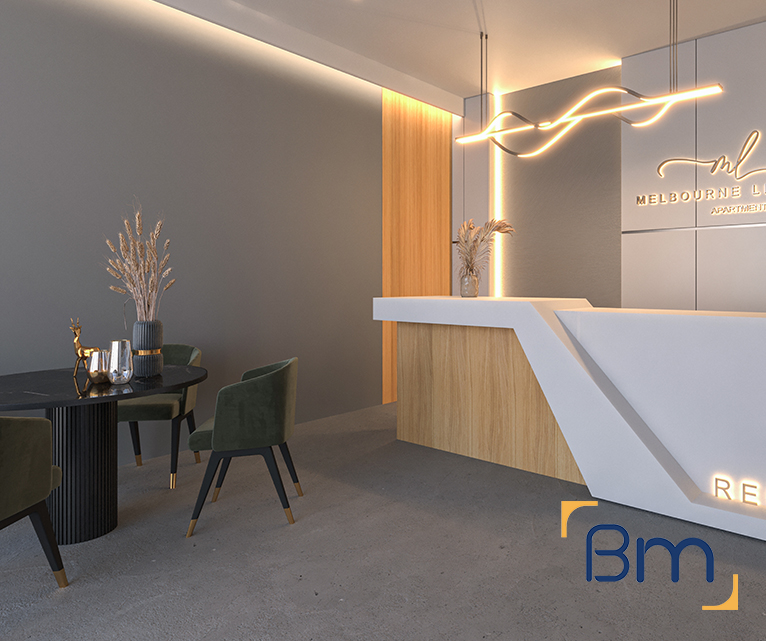
Tenancy Works for Businesses Throughout Victoria
We complete tenancy works for businesses throughout Victoria, from suburban Melbourne shopping strips to offices and clinics in Geelong, Ballarat and Bendigo. Regional projects such as our Australian Clinical Labs work in Warrnambool and Leopold show how we manage tenancies a long way from our Melbourne base. Wherever your premises are, you deal with the same head contractor team from inspection to handover.
You may also find these related services helpful:
Frequently Asked Questions About Choosing a Commercial Building Contractor
How do I choose a building contractor for commercial projects in Victoria?
Start by shortlisting a building contractor for commercial projects that is registered in Victoria for commercial work, carries the right insurances and can show similar completed jobs. Then compare how each explains scope, programme and exclusions. The clearest, most detailed proposal is usually a better guide than the lowest number on the page.
What insurance should a commercial contractor hold?
Ask for current certificates of currency for public liability, contract works and WorkCover. Many landlords and building managers in Victoria will not let a contractor on site without them, so a reliable builder supplies copies quickly. Check the cover amounts and expiry dates match what your lease or building rules require.
Is it worth asking a contractor for references?
Yes. Ask for two or three recent projects similar in size and use to yours, and speak to those clients if you can. Useful questions: was the programme met, how were variations handled and were defects fixed promptly? You can see our completed clinic and office work on our projects page.
What should a realistic construction programme show?
A sound programme separates design, approvals, procurement, construction and handover, and shows lead times for long-delivery items such as joinery or mechanical plant. It should also allow for mandatory building surveyor inspections in Victoria. A programme that looks too short often leads to rushed work or later claims for delays.
What does a head contractor do on tenancy works?
The head contractor holds the main contract with you and engages and manages every subcontractor, from demolition to painting. You deal with one company for site safety, quality and timing. BuildMarque acts as head contractor on tenancy works for clinics, offices and shops across Victoria.
What warning signs should I watch for when comparing builders?
Be cautious of quotes with large provisional sums, vague exclusions, no mention of permits or no written programme. Pressure to sign quickly or pay a large deposit upfront is another red flag. Asking every contractor the same set of questions makes it far easier to compare like with like.
Can I check a builder’s registration myself?
Yes. The Building and Plumbing Commission (formerly the VBA) keeps a public register of building practitioners. Search the builder’s name or registration number to confirm the registration is current and that its class covers commercial work. It takes a few minutes and is worth doing before you sign any contract in Victoria.
How do I request a proposal for my commercial project?
Pick up the phone and dial 1300 601 871, or tell us about the tenancy using the page’s enquiry form. Expect a free on-site consultation where you can quiz us on registration and insurances, followed by a written proposal setting out scope and programme.


