

General Contractor for Commercial Projects Across Victoria




When a Victorian Business Needs a General Contractor
Engaging a general contractor for commercial projects makes sense when your works involve several trades, a landlord and a building permit. Across Victoria, BuildMarque takes on that role for tenants and landlords preparing clinics, offices and shops, managing everything from design to handover.
Not every project needs a general contractor, though. A simple paint and carpet refresh may be handled by individual trades. Once you are moving walls, changing services or connecting to a base building’s fire and mechanical systems, coordination becomes the real risk. That is where a general contractor earns its place, by managing the interfaces between your tenancy, the landlord’s works and the building itself.
In short: BuildMarque is a Melbourne-based design-and-construct firm working as general contractor for commercial tenants and landlords across Victoria. Costs vary with scope, landlord works, base-building connections, building age and finishes. Book a free on-site consultation to receive a fixed-scope quote; we reply promptly to all enquiries.

General Contracting for Tenants and Landlords Across Victoria
Tenants and landlords across Victoria often have different priorities for the same space. A landlord may be responsible for the base building, ceilings, air conditioning trunk lines and fire services, while the tenant fits out everything inside. Where those responsibilities overlap, it is easy for work to be doubled up or missed entirely, and the cost of fixing those gaps usually lands on whoever is least prepared for it. Disputes over who pays are common when nobody checks.
BuildMarque clarifies this at the start. We inspect the premises, read the lease and fitout guide, and confirm which works belong to the landlord and which belong to you. We then tailor a scope that reflects that split, so quotes and responsibilities are easy to follow. Our in-house architects and project managers coordinate with the building owner’s consultants and, where an existing business stays open, we sequence the works in stages. Learn more about our commercial fitout services.
What a General Contractor Can Take Off Your Plate
Handing the project to one contractor removes a long list of tasks from your desk, including:
- Site inspection and feasibility. We check services, structure, compliance and planning controls before design starts, so the budget is realistic from day one.
- Design, layout and documentation. Our in-house architects plan layouts, finishes and joinery around your workflow, then prepare the drawings needed for approvals and construction.
- Permits and approvals. We prepare and manage planning and building permit applications, including signage and facade approvals where they apply.
Spaces Designed to Perform
- Services upgrades. Electrical, data, lighting, heating and cooling, and plumbing are upgraded to suit your equipment, including clinical sinks and medical gases.
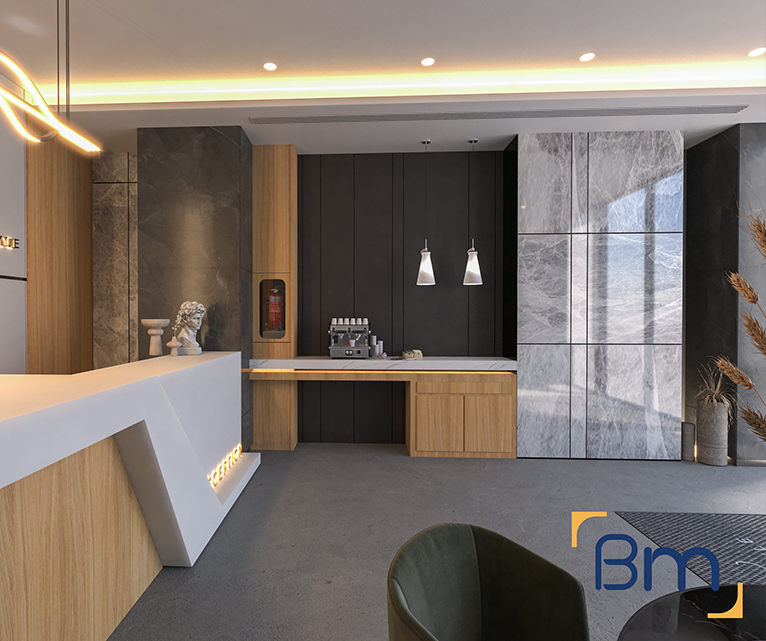
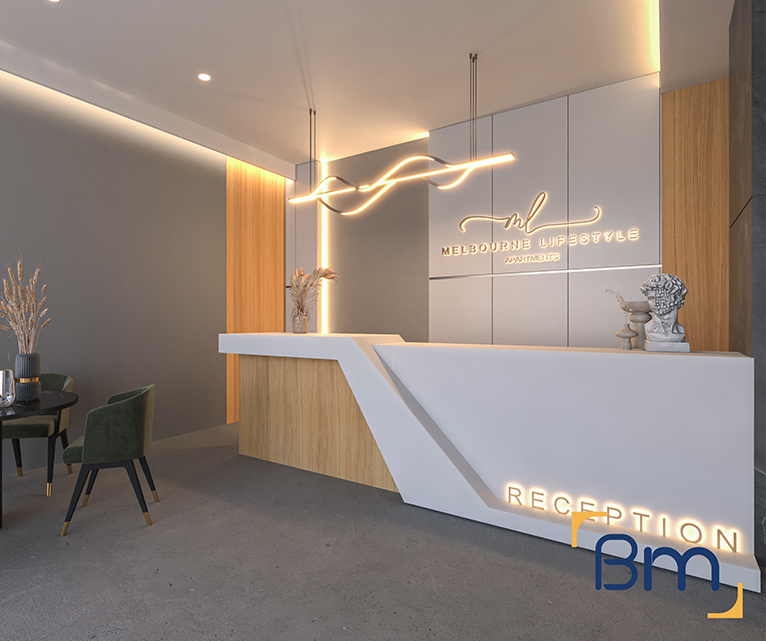
- Joinery, finishes and branding. Custom reception counters, storage, signage and finishes give your space a durable, consistent look that reflects your brand.
- Construction, certification and handover. We build to program, coordinate every trade, obtain final certification and complete a defects inspection before handing over the keys.
Compliance, Safety, and Build Quality
Commercial interiors must meet a range of regulatory requirements, including building codes, accessibility standards, fire safety, and workplace health and safety obligations.
BuildMarque manages compliance as an integral part of the project, not an afterthought. Detailed coordination ensures all works align with statutory requirements while maintaining a high standard of build quality throughout the space.
General Contractor or Separate Trades: Which Suits You?
The right approach depends on the size and complexity of your works. Here is a simple way to decide which model suits your project, based on permits, the number of trades and who carries the risk:
- Separate trades can suit simple jobs. If you only need painting, new flooring or minor electrical changes with no permit involved, booking trades directly may be practical and cost-effective.
- Permits change the picture. Once a building permit is needed, someone has to coordinate the surveyor, mandatory inspections and compliance certificates. A general contractor takes on that responsibility for you.
- Multiple trades need sequencing. Partitions, ceilings, services, joinery and flooring must happen in the right order. Without a single program, trades clash on site and finished work gets damaged.
- Risk and warranties. With separate trades, you carry the risk for any gaps between their scopes. A general contractor carries that risk instead and stands behind the whole job.
Planning Your Commercial Project With a General Contractor
When we take on a commercial project as general contractor, the landlord and base-building questions are answered before construction begins. You receive a program, a scope that matches the lease, and a single contact for every decision. From there, the work proceeds in four clear steps:
- 1. Inspect. We visit the site to check services, structure, compliance, planning controls and access.
- 2. Explain. We walk you through the options, constraints and likely costs in plain language.
- 3. Scope. You receive a fixed scope, budget and program before any work starts.
- 4. Complete. We build, certify and hand over the space, then return for a final defects inspection.
Managing Landlord Works and Base-Build Interfaces
Many tenancy problems happen where new work meets the existing building. These are the interfaces we manage most closely on your behalf. Getting them right early protects your lease, your bond and your working relationship with the landlord and the building manager:
- Fire services. Sprinklers, detectors and occupant warning systems usually belong to the base building. We engage the landlord’s nominated contractors where required and make sure every modification is tested and certified.
- Mechanical systems. New rooms often need changes to air conditioning zones and ductwork. We coordinate with the building’s mechanical contractor so comfort and air balance are maintained across the floor.
- Landlord works packages. Where the landlord is delivering items such as new amenities or a shopfront upgrade, we align our program with theirs to avoid clashes on site.
- Make-good obligations. We record the condition of the space before starting and note what must be reinstated at lease end, helping protect your bond.
How Much Does It Cost to Engage a General Contractor for Commercial Work?
There is no flat fee for a general contractor; the price reflects the work being coordinated. These factors affect the total most:
- Tenancy scope: the number of rooms, partitions and services changes required.
- Base-building works: landlord-nominated fire or mechanical contractors often carry higher rates.
- Lease conditions: after-hours work and fitout guide standards influence labour and materials.
- Existing condition: removing a previous tenant’s fitout or upgrading old services adds early works.
Book a free on-site consultation for a fixed-scope quote, or call 1300 601 871.

Supporting Tenants From Geelong to Bendigo and Beyond
We support commercial tenants from Geelong to Bendigo, through Ballarat and out to Warrnambool, as well as across metropolitan Melbourne. Our regional experience includes Geelong Dental Centre and Australian Clinical Labs collection centres in Leopold and Warrnambool, where we worked with landlords and local building surveyors to deliver compliant tenancies. Distance does not change how we manage your project.
Related services for commercial tenants include:
Frequently Asked Questions About Hiring a General Contractor for Commercial Work
When should I hire a general contractor for commercial projects in Victoria?
A general contractor for commercial projects makes sense in Victoria once your work involves several trades, a building permit or landlord approval. If you only need a repaint or new carpet, separate trades may be fine. For anything touching walls, services or fire systems, one contractor managing the lot is safer and simpler.
Can I manage the trades myself to save money?
You can, but you then take on coordination, safety, insurance checks and the risk of trades blaming each other for delays. Owner-managed projects often lose any saving to rework and lost trading time. We are happy to talk through which approach suits your project before you decide.
What are landlord works and base-build works?
Base-build works are what the landlord provides, such as the structure, main services, fire systems and amenities, and your fitout connects to them. Many leases in Victoria list which works the landlord completes and which the tenant pays for, so we review the lease and fitout guide before pricing.
How do you handle interfaces with the base building?
We check existing services, ceiling grid, sprinklers and air conditioning on site, then confirm with the landlord’s engineers how our work connects. Where changes affect base-building systems, the landlord’s nominated contractors may need to do part of the work, and we fit their timing into our programme.
Do landlords need to approve my fitout drawings?
Almost always. Most commercial leases require landlord approval of drawings before work starts, and larger buildings in Melbourne and regional Victoria often have fitout guidelines covering materials, hours and contractors. We prepare the submission and respond to comments, so approval does not hold up your start date.
Can a general contractor help before I sign a lease?
Yes, and it is often the best time. A site inspection can reveal whether the space suits your use, what the landlord should fix first and whether services have spare capacity. That information can strengthen your position when negotiating incentives or make-good terms.
Do you work on projects with both landlord and tenant scopes?
Yes. Sometimes a landlord engages us for base-build upgrades while a tenant engages us for the fitout. We keep the scopes and costs separate, agree responsibilities in writing and run one coordinated programme, which suits shopping centres and office buildings across Victoria.
How do I start a quote with a general contractor?
Upload your lease details and any landlord fitout guide via the page’s enquiry form, or phone 1300 601 871. Once we have walked the site at a free on-site consultation and confirmed which works sit with the landlord and which with you, our quote separates those two scopes clearly.


